Türkiye has emerged as a global hub for medical services over the last decade, particularly in hair transplantation, aesthetic surgery, and dental treatments. However, this high demand can sometimes lead to a compromise in medical standards, resulting in physical and psychological damages that are difficult to compensate. At NPartners, we protect the legal rights of international patients by blending local legislation with global ethical standards.
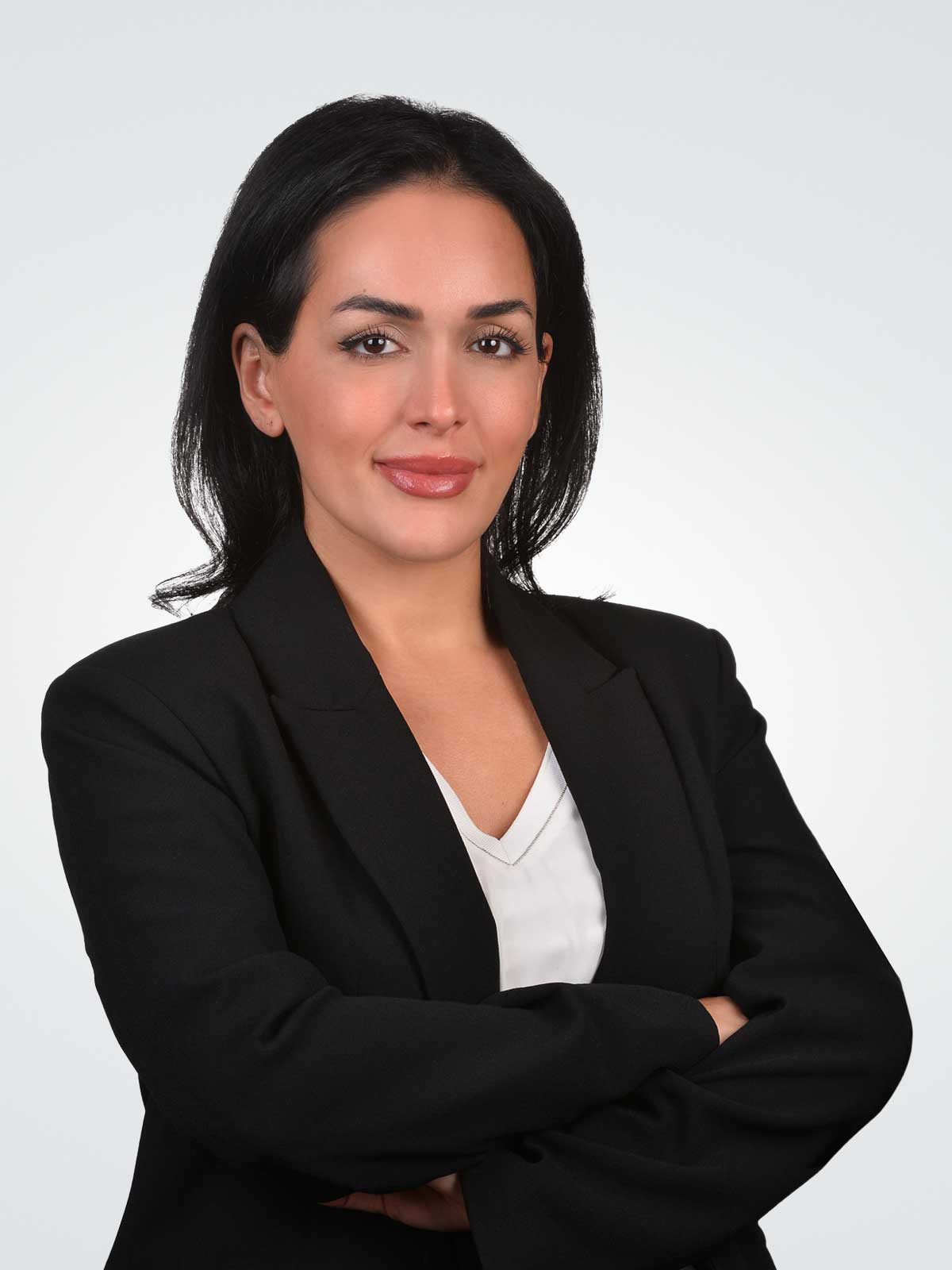
Dual Bar Legal Support and Academic Excellence: Att. Nazlı Özkul
Medical malpractice cases are, by nature, cross-border disputes that require high-level theoretical knowledge. The founder lawyer of NPartners, Att. Nazlı Özkul, is a dual-qualified lawyer authorized by both the Istanbul Bar Association and the Solicitors Regulation Authority as a Solicitor of the Senior Courts of England and Wales.
Furthermore, Att. Nazlı Özkul is pursuing her Master of Laws (LL.M.) in Medical Law at Galatasaray University, one of Türkiye’s most prestigious academic institutions. This academic depth provides our clients with a unique advantage in the legal characterization of medical errors and the interpretation of complex healthcare regulations.
Our firm’s entire legal team is fluent in English, ensuring direct and technical communication with our international clients. This proficiency guarantees that client statements and foreign medical reports are accurately reflected in the Turkish court system without any loss of detail.

Common Malpractice Findings in Hair Transplant Operations
A significant portion of medical malpractice lawsuits in Türkiye arises from improperly planned or executed hair transplant procedures. Under Turkish Law, these processes are generally evaluated within the scope of a "Proxy Agreement" (Vekalet Sözleşmesi) or a "Contract for Work" (Eser Sözleşmesi). The most common grounds for compensation include:
- Tissue Necrosis: Interruption of blood flow to the scalp resulting in tissue death, often due to incorrect channel opening or faulty anesthesia. This constitutes severe malpractice as it leads to permanent baldness and irreversible scarring.
- Donor Area Depletion (Over-harvesting): Excessive and unsystematic extraction of hair follicles from the nape, resulting in permanent thinning and aesthetic loss.
- Uncontrolled Inflammation and Infection: Infections resulting from failure to comply with sterilization protocols, which can threaten the patient’s overall health.
- Permanent Scarring: Esthetically unappealing scars formed on the scalp due to operational technical errors, often impacting the patient's psychological well-being.
"Informed Consent" and the Legal Consequences of Language Barriers
The fundamental pillar of malpractice cases in Turkish judicial practice is the obligation of "Informed Consent" (Aydınlatılmış Onam) under the Turkish Code of Obligations. A physician is obliged to inform the patient in detail about all possible risks of the operation.
For international patients, there is a critical requirement for this obligation: Information must be provided in a language the patient understands. If consent forms or verbal briefings were not provided in the patient's native language, Turkish courts deem this consent "invalid" and hold the healthcare institution liable for any damages incurred.
Malpractice Compensation: What Are Your Rights?
Patients who fall victim to medical errors can claim the following under Turkish Law:
1. Material Damages (Pecuniary Damages)
- Revision and Treatment Expenses: The cost of new operations and medications required to correct the faulty procedure.
- Travel and Accommodation: All transportation and lodging expenses incurred during the treatment process in Türkiye.
- Loss of Earnings: Financial losses resulting from inability to work during the recovery period.
2. Moral Damages (Non-Pecuniary Damages)
Compensation for the physical pain, psychological trauma, and social withdrawal caused by the aesthetic deformity and the medical error itself

Frequently Asked Questions (FAQ)
1. Do I need to be in Türkiye to file a medical malpractice lawsuit?
No. At NPartners, with a Power of Attorney (PoA), we can manage the entire legal process on your behalf while you remain in your home country.
2. Is necrosis or scarring after a hair transplant always considered malpractice?
Each case is unique. However, necrosis is often the result of improper technique. Our team analyzes your case to determine if medical negligence occurred.
3. How long does the litigation process usually take?
The mandatory mediation phase takes 4-8 weeks. If a settlement is not reached, litigation typically lasts between 12 to 24 months.
4. How long does it take for cases to be concluded?
Mediation takes 4–8 weeks. The litigation process is typically completed within 12 to 24 months.
5. Is it possible to reach a settlement with the hospital or the doctor?
Yes. Mediation is mandatory, and we prioritize reaching a settlement with fair compensation whenever it is in the best interest of our clients
Don’t Delay Seeking Justice!
If you have been a victim of medical negligence in Türkiye, we are here to support you with our dual-qualified legal expertise and academic background from Galatasaray University.
Contact us today for a free preliminary evaluation.